
Guides
Carbonation and packaging guides
Practical, referenced write-ups on carbonation, stones and gas, and packaging for small-batch beer, cider, kombucha and seltzer. Each one ends with the sources it relies on.
All guides
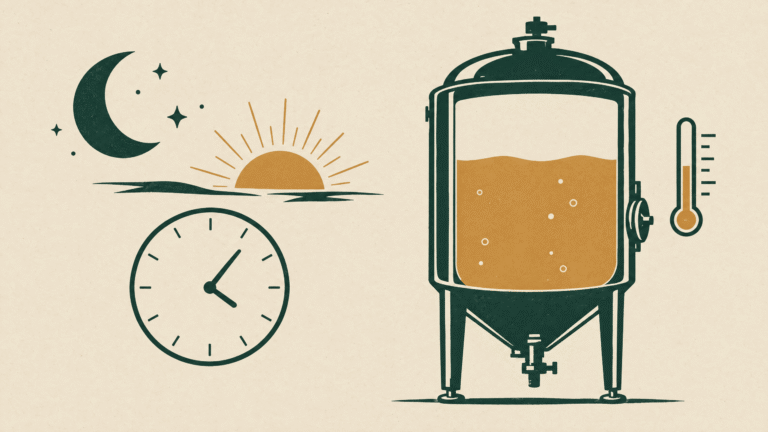
Bright Tank Not Carbonating? Diagnose an Overnight Flat Batch
A practical overnight diagnostic for a bright tank that is still flat: confirm dissolved CO₂ and product temperature, then check the gas path, stone, and logs.
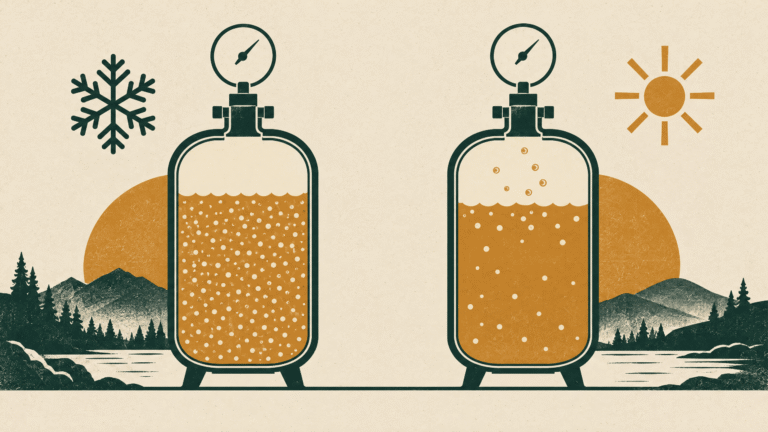
Carbonation Temperature and Pressure: Why a Gauge Reading Is Not the Whole Story
Learn why pressure alone cannot define carbonation, how product temperature shifts CO₂ equilibrium, and what to measure for repeatable batches.

Why Your Carbonation Stone Is Taking So Long
Slow carbonation can start at the stone. Learn how wetting pressure, immersion depth, clean pores, and measured flow affect CO₂ contact.
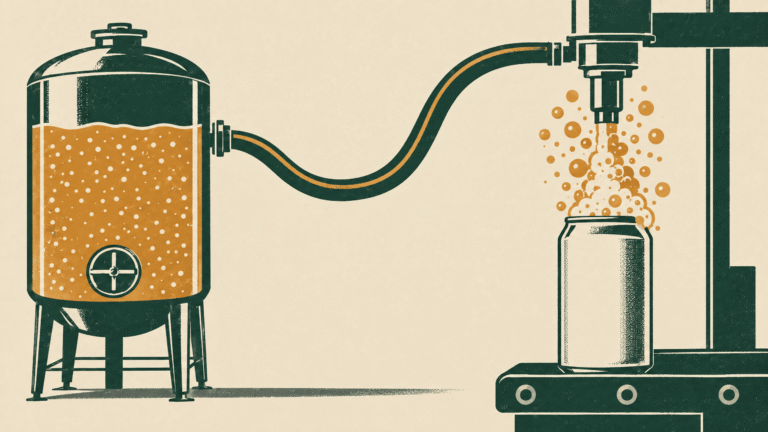
Why Beer Foams at the Filler When the Tank Looks Fine
Trace beer foaming at the filler from tank to package: temperature, pressure loss, restrictions, turbulence and practical checks.
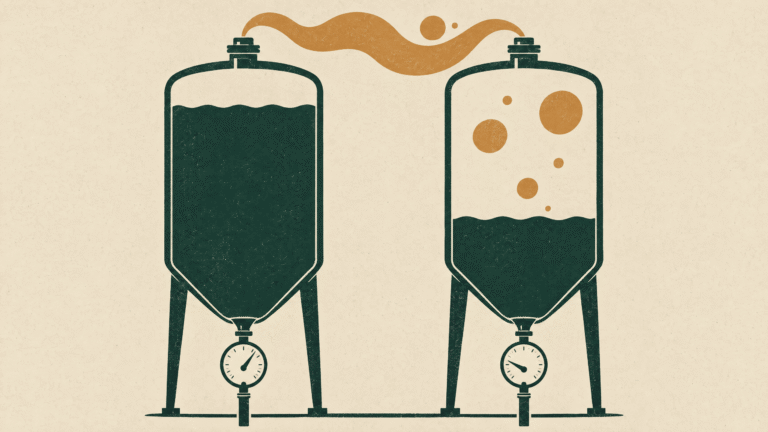
Carbonation Changes During Packaging: What Happens as the Tank Empties
Learn why growing headspace and falling hydrostatic head can change packaging conditions, and how to diagnose early-to-late run drift.
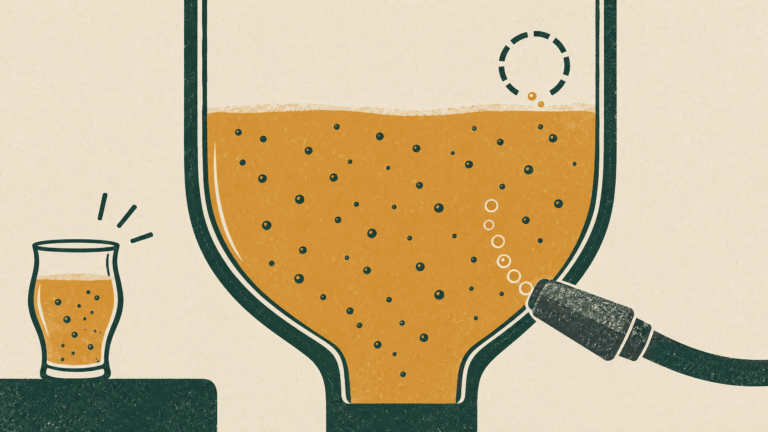
Carbonation Top-Ups: Bring Residual CO₂ to Target with Measured Adjustments
Learn when a carbonation top-up makes sense, how to measure residual dissolved CO₂, and how to make a controlled adjustment without guessing.
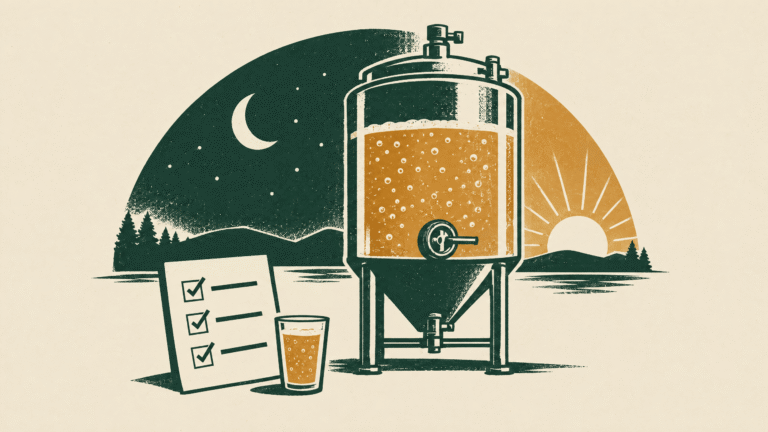
The Overnight Carbonation Routine: A Steadier Start to Packaging Day
Build a practical overnight carbonation handover and morning release checklist for a calmer, more repeatable packaging day.
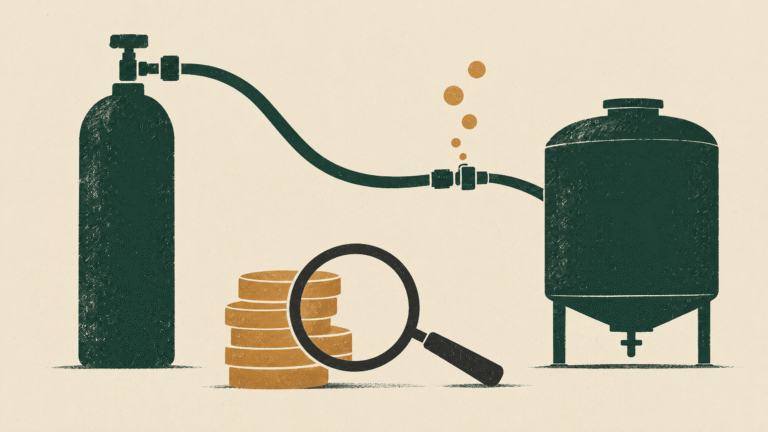
Why Your CO₂ Bill Keeps Climbing: Follow the Gas, Not the Guesswork
Track CO₂ by batch volume to separate supplier cost from actual consumption, then find leaks, venting and carbonation inefficiency.
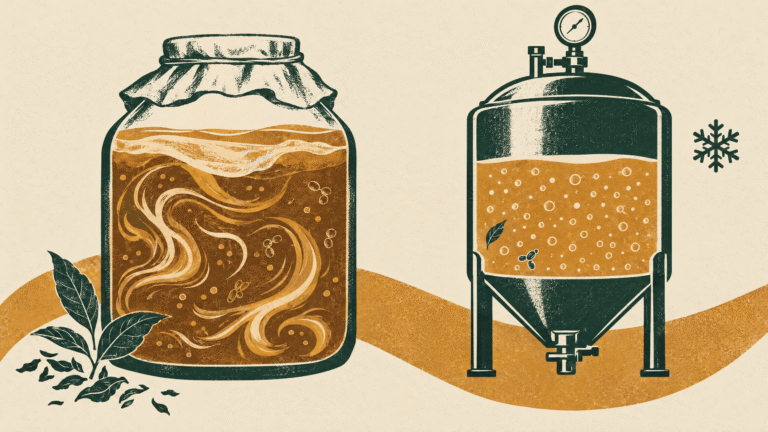
Kombucha Carbonation Without the Guesswork: Separate Fizz From Fermentation
Learn how tank-based forced carbonation separates a controlled fizz step from ongoing kombucha fermentation, alcohol change, and package-pressure risk.
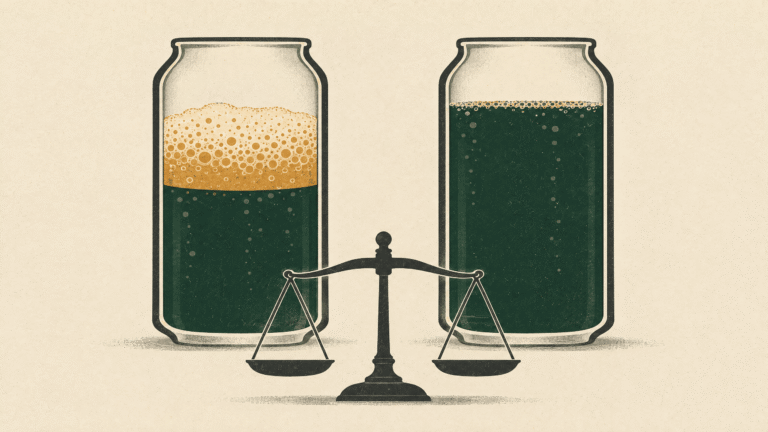
Why Almost Full Is Still a Packaging Problem
Learn how to separate foam height from net contents, sample a packaging run, and investigate carbonated beverage short fills with confidence.
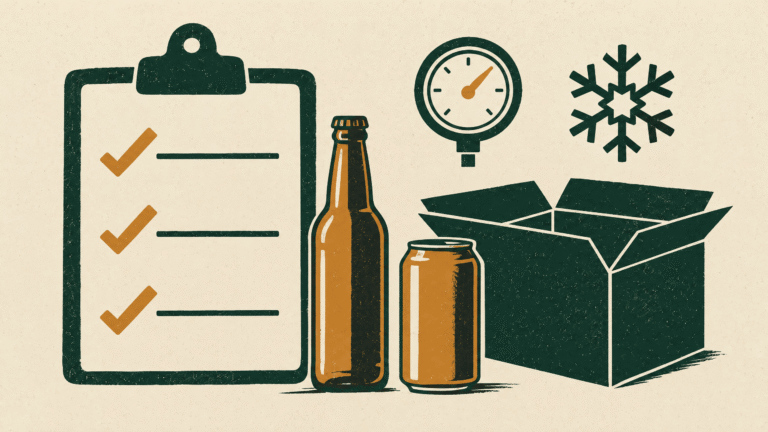
Small-Batch Packaging Day Checklist: A Preflight for Cans and Bottles
A practical packaging-day preflight, run and closeout checklist for small beverage teams filling cans or bottles.
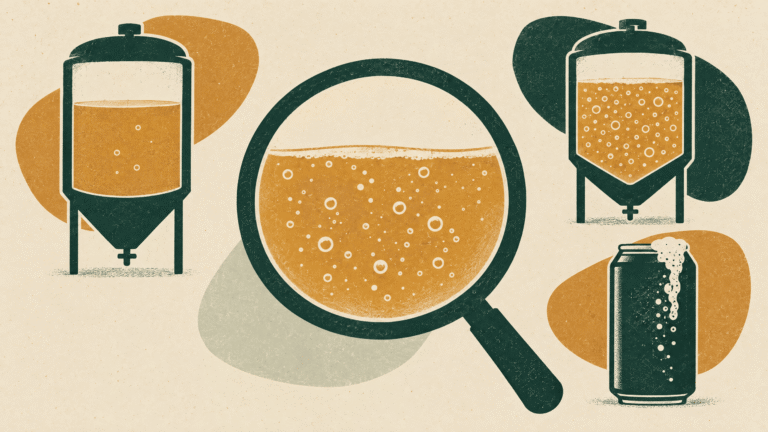
Over-Carbonated, Under-Carbonated, or Just Wrong? Troubleshoot by Stage
A symptom-led carbonation troubleshooting guide for small-batch makers, from tank checks to packaging and stability.

How to Check a Carbonation Stone Before It Costs a Production Day
Use a repeatable carbonation stone inspection, wetting test, cleaning SOP, and record to catch restrictions before they delay packaging.

Natural vs. Forced Carbonation for Cider and Kombucha
Compare natural and forced carbonation for cider and kombucha, with practical guidance on fermentation, control, packaging, and safety.
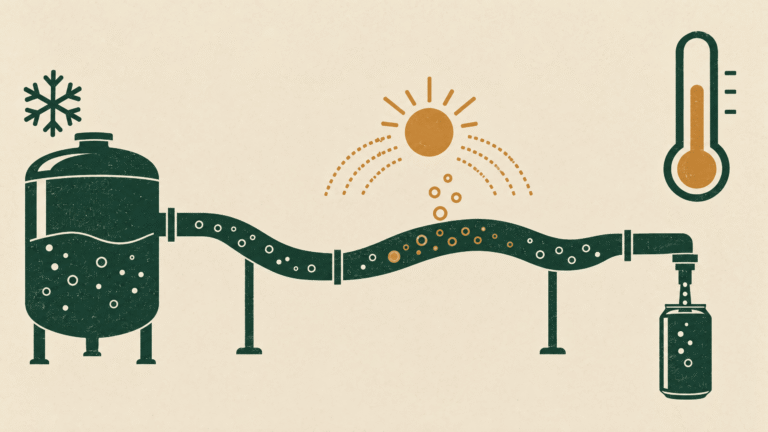
Packaging Temperature: Map the Journey Before Chasing Foam
Map product temperature from tank to filler, diagnose foam without guesswork, and restart packaging with steadier conditions.
Got a specific problem?
Start from the symptom, or tell us about your tank, stone and target and we will look at the whole process.